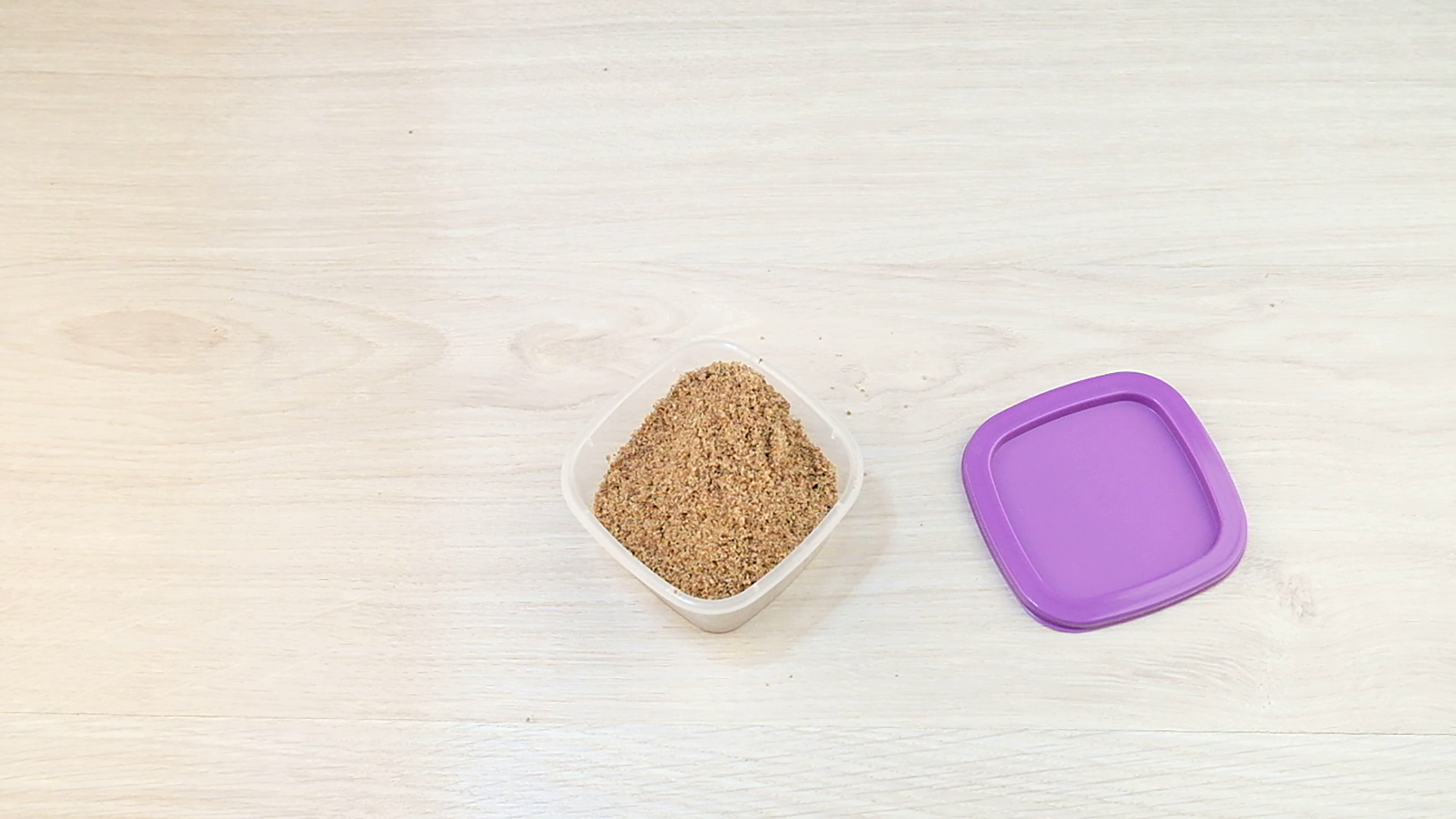
Why Grinding Flaxseed is Essential for Nutrient Absorption and Culinary Versatility
Flaxseed, also known as linseed, is a tiny powerhouse of nutrition, celebrated for its rich content of omega-3 fatty acids, fiber, and lignans. These small seeds have found their way into countless diets, adding a subtle nutty flavor to everything from smoothies and baked goods to savory dishes and breakfast bowls. However, simply tossing whole flaxseeds into your meals might not be enough to unlock their full health potential. Research consistently shows that our bodies struggle to digest whole flaxseeds, meaning many of those incredible nutrients pass straight through us. This is precisely why understanding how to grind flaxseed into a fine flaxseed meal is a crucial step to truly reap its benefits. This comprehensive guide will delve into the compelling reasons behind grinding flaxseed, explore the nuances between golden and brown varieties, clarify the interchangeable terms of "flaxseed meal" and "ground flaxseed," and provide a wealth of ideas for incorporating this versatile ingredient into your daily diet. Whether you're aiming to boost your nutritional intake, create gluten-free and vegan alternatives, or simply add a healthy kick to your favorite recipes, mastering the art of grinding flaxseed is your gateway to a healthier kitchen.Unlocking the Nutritional Treasure: Why You Must Grind Flaxseed
The primary reason to grind flaxseed before consumption lies in its robust outer shell. While this shell protects the seed, it also acts as a barrier to our digestive enzymes. When consumed whole, flaxseeds can pass through the digestive tract relatively intact, preventing the body from absorbing the vital nutrients contained within. Grinding the seeds breaks down this tough exterior, making their internal goodness bioavailable. What exactly are you unlocking?- Omega-3 Fatty Acids (ALA): Flaxseed is one of the richest plant-based sources of alpha-linolenic acid (ALA), an essential omega-3 fatty acid crucial for heart health, reducing inflammation, and supporting brain function. Grinding ensures these delicate oils are released and can be absorbed.
- Dietary Fiber: Both soluble and insoluble fiber are abundant in flaxseed. The soluble fiber helps regulate blood sugar and cholesterol, while insoluble fiber aids digestion and promotes regularity. Grinding makes this fiber more accessible and easier on the digestive system.
- Lignans: These unique plant compounds offer powerful antioxidant properties and are linked to various health benefits, including hormone balance and cancer prevention. Lignans are much more available for absorption when the flaxseed is ground.
Golden vs. Brown Flaxseed: Which One Should You Choose?
When you're ready to start grinding, you'll encounter two main varieties of flaxseed: golden and brown. While their nutritional profiles are remarkably similar, there are subtle differences that might influence your choice. Nutritional Similarities: Both golden and brown flaxseeds are packed with omega-3s, fiber, and lignans. They offer comparable health benefits, making either a fantastic addition to your diet. Subtle Differences:- ALA Content: Some studies suggest that brown flaxseeds may contain slightly higher levels of ALA compared to their golden counterparts. However, the difference is often marginal, and both remain excellent sources.
- Flavor Profile: Brown flaxseeds tend to have a slightly more robust, nuttier flavor. Golden flaxseeds, conversely, are often described as having a milder, more neutral taste. This can be a significant factor depending on the dish you're preparing.
- Appearance: As the names suggest, brown flaxseed will add a darker hue to your dishes, which might be undesirable in lighter-colored recipes like certain baked goods or smoothies. Golden flaxseed, with its lighter color, is less likely to alter the appearance of your food, making it ideal for those who prefer to keep their dishes visually consistent.
Flaxseed Meal, Ground Flaxseed, or Flaxseed Powder? Clearing the Confusion
You might encounter various terms like "flaxseed meal," "ground flaxseed," or "flaxseed powder" in stores and recipes. This can sometimes lead to confusion, similar to the debate between almond meal and almond flour. For most home cooks and nutritional purposes, when you're grinding whole flaxseeds, these terms are largely interchangeable. When we talk about homemade flaxseed meal, we are referring to the fine powder created by grinding whole flaxseeds. This retains all the beneficial oils, fiber, and lignans present in the intact seeds. However, it's worth noting that in some industrial contexts, "flaxseed meal" can occasionally refer to the byproduct left over after flaxseed oil has been extracted from the seeds. This type of meal would naturally have a significantly lower fat content, including the essential omega-3s, making it nutritionally different from the whole-seed ground product. For the purpose of this article and your home preparation, when you grind flaxseed, you are creating a nutrient-dense "flaxseed meal" or "ground flaxseed" that is rich in healthy fats, fiber, and protein – perfect for boosting your health and culinary creations.Unlocking Versatility: Creative Ways to Use Flaxseed Meal
Once you've mastered how to grind flaxseed into a fine meal, a world of culinary possibilities opens up. Its mild, nutty flavor and incredible binding properties make it an invaluable ingredient for a wide range of dietary needs and preferences.1. Nutrient Booster Extraordinaire
Flaxseed meal is an effortless way to enhance the nutritional profile of almost any meal.
- Smoothies & Shakes: Add 1-2 tablespoons to your morning smoothie for an instant boost of fiber and omega-3s. It blends seamlessly and adds a subtle richness.
- Oatmeal & Yogurt: Stir into your breakfast oatmeal, yogurt parfait, or cereal for added texture and nutrition.
- Baked Goods: Incorporate into muffins, breads, cookies, pancakes, and waffles. It adds moisture, a pleasant texture, and a healthy dose of fiber. Start with replacing 1/4 to 1/2 cup of flour with flaxseed meal in your recipes.
2. The Gluten-Free & Vegan MVP: Flax Eggs & Beyond
For those following gluten-free or vegan diets, flaxseed meal is a true kitchen hero.
- Flax Eggs: This is perhaps its most popular application. To make a "flax egg," combine 1 tablespoon of ground flaxseed meal with 3 tablespoons of water. Stir well and let it sit for 5-10 minutes until it forms a gelatinous, egg-like consistency. This can replace one chicken egg in most baking recipes, providing binding and moisture.
- Thickener & Binder: Use it as a natural thickener for soups, stews, and sauces, or as a binder in veggie burgers, meatloaf, or meatballs.
- Crusts & Coatings: Combine with other gluten-free flours or breadcrumbs for a crispy coating on vegetables, tofu, or fish.
3. Savory Applications and More
Don't limit flaxseed meal to sweet dishes. It shines in savory preparations too:
- Dressings & Sauces: Whisk it into homemade salad dressings or savory sauces to add body and a nutritional punch.
- Stuffings & Fillings: Incorporate it into stuffings for poultry or vegetables, or as a component in savory tart fillings.
How to Grind Flaxseed at Home: Methods and Tips
Grinding flaxseed at home is surprisingly simple and can be done with common kitchen appliances. The goal is to achieve a fine, powdery consistency, avoiding coarse bits that are still difficult to digest.Popular Grinding Methods:
- Coffee or Spice Grinder: This is arguably the easiest and most efficient method, especially for smaller batches. A dedicated grinder ensures no lingering coffee or spice flavors contaminate your flaxseed. Simply add whole flaxseeds, pulse until a fine meal is achieved, usually in 10-30 seconds.
- Blender or Food Processor: For larger quantities, a high-speed blender or food processor can work. However, you'll need a sufficient amount of seeds to allow them to circulate and get thoroughly ground. You might need to stop and scrape down the sides periodically to ensure even grinding.
- Mortar and Pestle: This traditional method is effective for very small amounts and provides a satisfying, hands-on experience. It requires more effort and time to achieve a fine meal but is perfect if you only need a tablespoon or two.
Essential Grinding Tips:
- Grind in Small Batches: Flaxseed meal is best used fresh. The delicate omega-3 oils can oxidize when exposed to air and light, turning rancid. Grinding smaller amounts more frequently preserves freshness and nutrient integrity.
- Avoid Overheating: Grinding too long or too vigorously can generate heat, which can degrade the beneficial oils. Use short pulses rather than continuous grinding.
- Clean Your Equipment: Ensure your grinder or blender is clean and dry before use to prevent moisture from clumping the flaxseeds or introducing unwanted flavors.
Storing Your Freshly Ground Flaxseed Meal
Proper storage is paramount to maintaining the freshness and nutritional value of your homemade flaxseed meal. Due to its high content of delicate omega-3 fatty acids, ground flaxseed is more susceptible to oxidation than whole seeds.To prolong its shelf life and prevent rancidity:
- Airtight Container: Always store your flaxseed meal in an opaque, airtight container to minimize exposure to air and light.
- Refrigerate or Freeze: For short-term use (up to a few weeks), refrigeration is sufficient. For longer storage (up to several months), the freezer is ideal. Freezing significantly slows down the oxidation process, keeping your flaxseed meal fresh and potent.
