Flaxseed, a tiny powerhouse of nutrition, has gained immense popularity in recent years for its impressive health benefits. From supporting heart health to aiding digestion, these small seeds pack a mighty punch. However, to truly unlock their full potential and absorb all the goodness they offer, there's a crucial step many overlook: grinding them into flaxseed meal. While whole flaxseeds look lovely, our digestive systems struggle to break down their tough outer shell, meaning many valuable nutrients pass straight through us. This comprehensive guide will walk you through everything you need to know about how to grind flaxseed, transform it into nutrient-rich flaxseed meal, store it effectively, and incorporate it into your daily diet.
Why Grind Flaxseed? Unlocking Nutritional Power
Often referred to as linseed, flaxseed is more than just a culinary ingredient; it's a functional food. Available in two primary types, golden and brown, both offer similar nutritional profiles, though brown flaxseeds often boast slightly higher levels of Alpha-linolenic acid (ALA) and a more neutral flavor. Regardless of color, flaxseeds provide a subtle, nutty flavor that complements both sweet and savory dishes.
The core reason for grinding flaxseed is bio-availability. When consumed whole, the hard outer shell prevents digestive enzymes from accessing the rich nutrients within. Grinding transforms them into a fine meal, making them easily digestible and ensuring your body can absorb:
- Omega-3 Fatty Acids (ALA): Flaxseeds are one of the best plant-based sources of ALA, an essential omega-3 fatty acid crucial for heart health, brain function, and reducing inflammation.
- Dietary Fiber: Both soluble and insoluble fiber are abundant in flaxseeds. Soluble fiber helps regulate blood sugar and cholesterol levels, while insoluble fiber promotes healthy digestion and regularity.
- Lignans: These unique plant compounds have antioxidant properties and are being studied for their potential role in hormone balance and cancer prevention.
- Protein: A good source of plant-based protein, contributing to satiety and muscle repair.
Beyond their nutritional density, ground flaxseed is incredibly versatile, fitting seamlessly into various dietary lifestyles including Paleo, Whole30, low carb, and Keto diets. It’s also naturally gluten-free and vegan, making it a stellar ingredient for alternative baking. Moreover, its mild flavor makes it an excellent "nutrient booster" to discreetly add to meals for even the pickiest eaters.
For more insights into the different types and their culinary uses, check out our related article: Why Grind Flaxseed? Golden vs. Brown & Meal Versatility.
What Exactly is Flaxseed Meal? Clarifying the Terms
You might encounter terms like "flaxseed meal," "ground flaxseed," or "flaxseed powder," and wonder if there’s a significant difference. In common usage, especially when you're preparing it yourself at home, these terms are largely interchangeable. They all refer to whole flaxseeds that have been processed into a fine, powdery consistency.
However, it’s worth noting a subtle distinction that can sometimes cause confusion: some commercially produced "flaxseed meal" might refer to the byproduct left after the oil has been extracted from the seeds. This type of meal would naturally lack the beneficial omega-3 oils and healthy fats found in whole seeds. When you grind flaxseed at home, you are creating a full-fat, nutrient-dense product from the entire seed, ensuring you retain all its valuable components.
For the purpose of this guide, and for your own homemade endeavors, "flaxseed meal" and "ground flaxseed" refer to the same thing: finely milled whole flaxseeds, ready to boost your meals and baking.
Your Essential Guide: How to Grind Flaxseed (Methods & Tips)
Grinding flaxseed is surprisingly simple and quick, requiring minimal equipment. The goal is to achieve a fine, consistent powder, similar to cornmeal or a coarse flour. Here are the most effective methods:
Coffee Grinder / Spice Grinder
This is arguably the easiest and most efficient method for grinding flaxseed, especially for smaller batches. A dedicated coffee or spice grinder will yield the finest and most consistent flaxseed meal.
- Pros: Quick, highly effective, produces a very fine powder.
- Cons: If used for coffee, residual coffee oils can impart a slight flavor to your flaxseed meal. It's best to have a grinder specifically for spices/seeds or clean it thoroughly before use.
- How To: Add whole flaxseeds to the grinder (don't overfill). Pulse for a few seconds at a time, shaking gently between pulses, until you reach your desired consistency. Be careful not to grind for too long continuously, as this can generate heat and start to extract the oils prematurely.
Blender or Food Processor
For larger batches of flaxseed meal, a high-speed blender or food processor can be a good option.
- Pros: Can handle larger quantities, versatile kitchen appliance.
- Cons: May not achieve as fine a powder as a dedicated grinder, especially with less powerful models. Can also generate more heat if run continuously. Requires a sufficient volume of seeds to make good contact with the blades.
- How To: Place at least ½ to 1 cup of whole flaxseeds in the blender or food processor. Pulse in short bursts. For blenders, you might need to stop and scrape down the sides a few times to ensure even grinding. Continue until you have a fine meal.
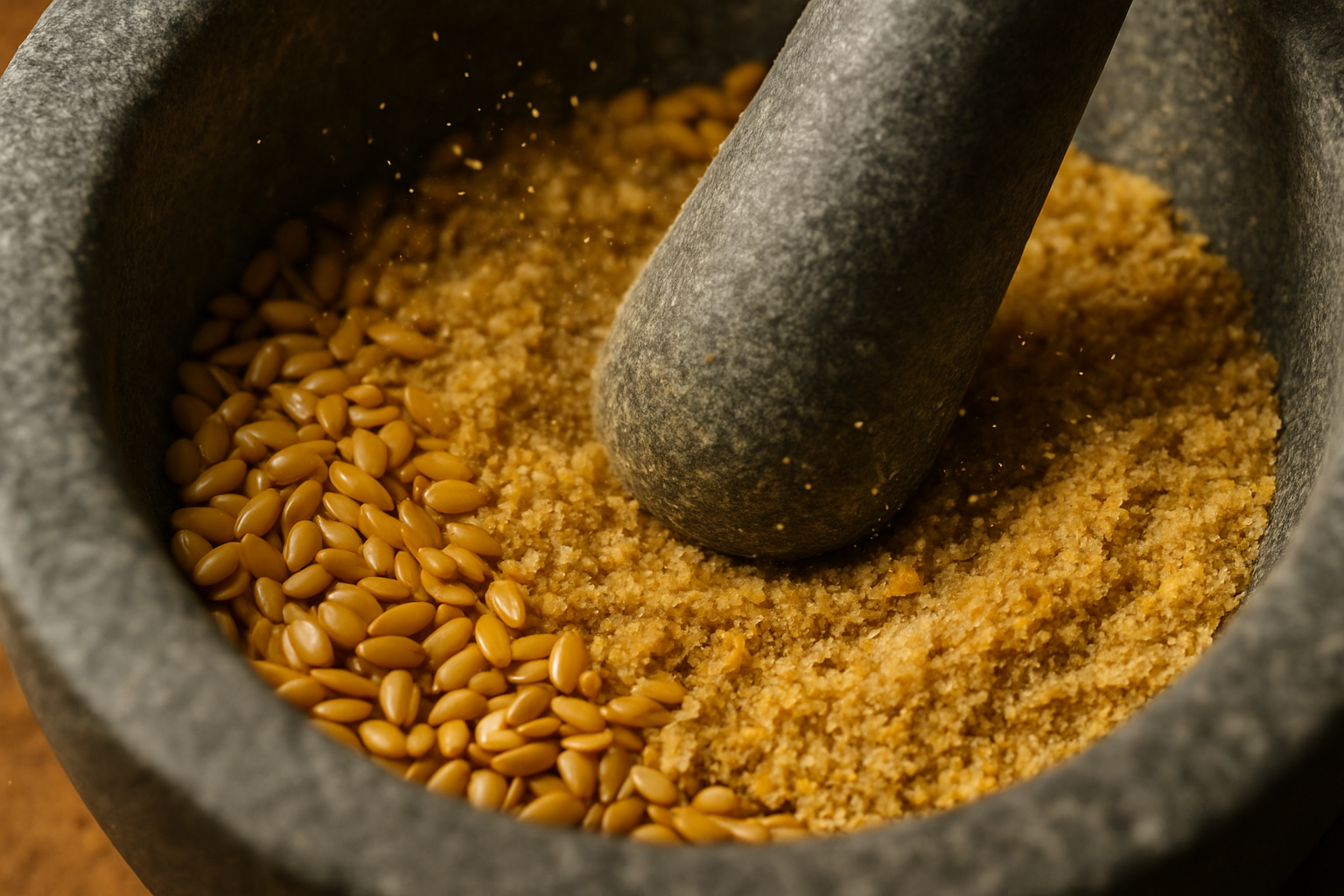
Mortar and Pestle
This traditional method is possible but requires more effort and patience.
- Pros: No electricity required, a meditative process, suitable for very small amounts.
- Cons: Labor-intensive, difficult to achieve a very fine, consistent powder. The resulting meal will likely be coarser.
- How To: Place a small amount of whole flaxseeds in the mortar. Use the pestle to crush and grind the seeds against the sides of the mortar in a circular motion. This is best for those who prefer a more rustic texture or if no other equipment is available.
General Grinding Tips:
- Avoid Over-Grinding: Flaxseeds are rich in oil. Grinding for too long or too vigorously can cause the oils to heat up and release, potentially leading to a pasty consistency and reducing the shelf life of your meal.
- Small Batches: It’s usually best to grind smaller quantities more frequently to ensure maximum freshness and potency.
- Aim for Fine: While personal preference plays a role, a finer grind generally offers better digestibility and texture in most recipes.
Storing Your Homemade Flaxseed Meal
Once you’ve mastered how to grind flaxseed, proper storage is critical. Due to their high oil content, ground flaxseeds are susceptible to oxidation, which can lead to rancidity and a loss of beneficial nutrients. Oxygen, light, and heat are the enemies of freshness.
- Airtight Container: Always store your flaxseed meal in an opaque, airtight container. Glass jars with tight-fitting lids are ideal.
- Refrigeration: For daily use, storing your flaxseed meal in the refrigerator is the best option. It will typically stay fresh for 1-3 months.
- Freezing: For longer-term storage, the freezer is your best friend. Flaxseed meal can maintain its freshness and nutritional integrity for 6 months or even longer when frozen.
- Room Temperature: While possible for a very short period (a few days to a week), storing at room temperature is generally not recommended due to the rapid degradation of oils.
Pro Tip: Always do a quick "smell test" before using your flaxseed meal. Fresh flaxseed meal has a mild, nutty aroma. If it smells bitter, fishy, or like old paint, it has likely gone rancid and should be discarded.
Beyond the Basics: Creative Ways to Use Flaxseed Meal
Now that you have your perfectly ground flaxseed meal, the culinary possibilities are endless!
Nutritional Boost
- Smoothies & Shakes: Add 1-2 tablespoons to your morning blend for extra fiber and omega-3s.
- Breakfast Bowls: Sprinkle over oatmeal, yogurt, cereals, or acai bowls.
- Soups & Salads: Stir into warm soups for a slight thickening, or sprinkle over salads for added texture and nutrients.
- Hidden Veggies (and Nutrients): Mix into meatballs, casseroles, sauces, or even pancake batter to silently boost the nutritional content, especially for picky eaters.
Baking & Cooking
- Vegan "Flax Egg": This is one of flaxseed meal's most popular uses! To replace one egg, combine 1 tablespoon of flaxseed meal with 3 tablespoons of water. Stir and let it sit for 5-10 minutes until it forms a gelatinous, egg-like consistency. This works wonderfully as a binder in vegan baking for muffins, cookies, pancakes, and more.
- Gluten-Free Baking: Flaxseed meal adds structure, moisture, and a pleasant nutty flavor to gluten-free breads, muffins, and cakes. It can also help improve the texture of many gluten-free recipes.
- Thickening Agent: Use it as a natural thickener for stews, sauces, and gravies.
- Crusting: Combine with breadcrumbs or spices to create a healthy, crispy crust for baked fish or chicken.
- Porridge: Mix with hot water or plant-based milk for a quick and nutritious flaxseed breakfast porridge.
Start by incorporating small amounts and gradually increase to find your preferred texture and flavor balance. Its versatility makes it a kitchen staple for healthy and delicious meals.
Conclusion
Grinding your own flaxseed meal at home is a simple yet powerful step towards maximizing the nutritional benefits of these incredible seeds. By understanding how to grind flaxseed properly, storing it correctly, and incorporating it creatively into your diet, you unlock a treasure trove of omega-3s, fiber, and lignans. Whether you're enhancing your morning smoothie, baking gluten-free treats, or creating a vegan egg substitute, homemade flaxseed meal is a versatile, healthy, and delicious addition to any kitchen. Embrace the ease and benefits of freshly ground flaxseed meal and elevate your meals to a new level of nutrition and flavor!
