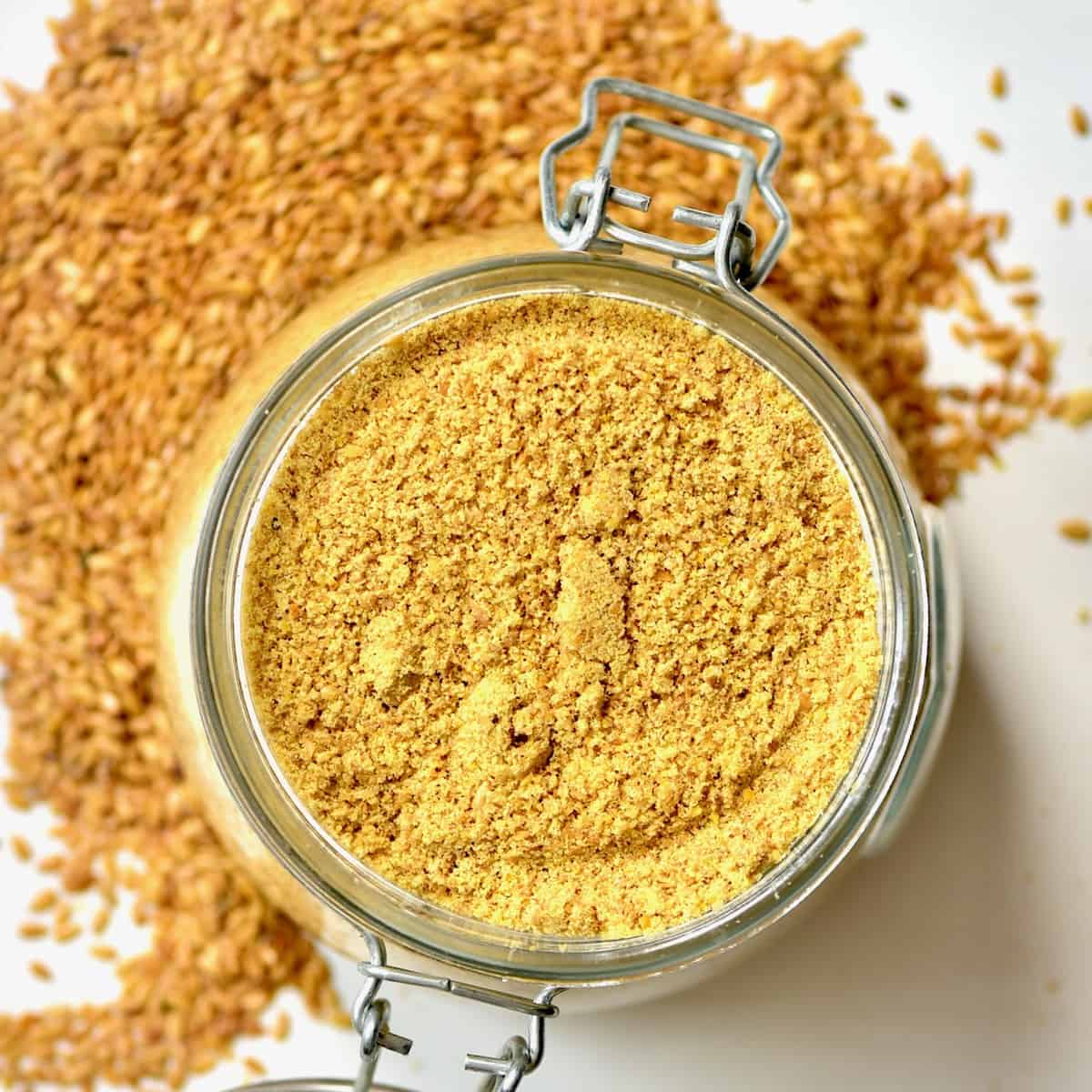
Unlock a powerhouse of nutrition and culinary versatility right in your own kitchen! Flaxseed, also known as linseed, is a tiny seed with immense potential, especially for those seeking gluten-free and vegan dietary options. While readily available in various forms, including pre-ground meal, the most effective way to harness its full spectrum of benefits is by grinding it fresh at home. This simple DIY process ensures you're getting the freshest, most nutrient-dense flaxseed meal for all your cooking and baking needs. Join us as we explore precisely how to grind flaxseed, transforming whole seeds into a fine, digestible flaxseed meal that will elevate your meals and recipes.
Why Grind Flaxseed: Unlocking Nutritional Power
Flaxseed is celebrated for its rich nutritional profile, boasting omega-3 fatty acids (specifically Alpha-Linolenic Acid, or ALA), dietary fiber, and unique plant compounds called lignans. These components contribute to everything from heart health to digestive wellness. However, there as a crucial caveat: consuming whole flaxseeds often means missing out on these incredible benefits.
When ingested whole, flaxseeds can pass through our digestive system largely intact, preventing the proper absorption of their valuable nutrients. The tough outer shell requires mechanical breakdown to release the goodness within. This is where grinding flaxseed comes in. Converting whole seeds into a fine meal significantly increases their bioavailability, making it easier for your body to digest and absorb the healthy fats, fiber, and lignans. It's a simple step that makes a monumental difference in getting the most from this superfood. For a deeper dive into why this process is so important, check out our guide on Why Grind Flaxseed? Golden vs. Brown & Meal Versatility.
Flaxseed Meal vs. Ground Flaxseed: What's the Difference?
The terms "flaxseed meal" and "ground flaxseed" are often used interchangeably, and for the purposes of home grinding, they refer to the same thing: whole flaxseeds that have been pulverized into a fine powder. However, it's worth noting that in some commercial contexts, "flaxseed meal" can occasionally refer to the byproduct left after oil extraction, which would be significantly lower in healthy fats. When you grind flaxseed at home, you're creating a full-fat, nutrient-rich product that retains all of the seed's beneficial oils.
Golden vs. Brown Flaxseed
You'll typically find two types of flaxseed available: golden and brown. While their nutritional compositions are quite similar, there are subtle differences to consider:
- Golden Flaxseed: Tends to have a slightly milder flavor and lighter color, making it ideal for recipes where you want to minimize visual impact, such as light-colored baked goods or smoothies.
- Brown Flaxseed: Often has a slightly nuttier flavor and, as expected, a darker hue. Some research suggests brown flaxseed may contain slightly higher levels of ALA. It's excellent for adding a rich, earthy note to breads, cereals, and savory dishes.
Both varieties offer incredible health benefits, so the choice often comes down to personal preference for taste and appearance in your dishes.
DIY: Easy Methods for How to Grind Flaxseed at Home
Creating your own flaxseed meal is surprisingly straightforward, and you likely already own the necessary tools. Here are the most common and effective methods:
1. The Coffee Grinder Method (Recommended for Smaller Batches)
A dedicated coffee grinder is arguably the most efficient and user-friendly tool for grinding flaxseed, especially for small to medium batches.
- How To: Simply add your desired amount of whole flaxseeds to the grinder chamber (fill it no more than halfway to allow for proper circulation). Pulse in short bursts, shaking the grinder gently between pulses, until you achieve a fine, powdery consistency. This usually takes about 10-20 seconds.
- Pros: Quick, produces a very fine and consistent meal, minimal cleanup.
- Cons: If you use the same grinder for coffee, residual coffee oils can impart a flavor to your flaxseed (and vice-versa). It's best to have a separate grinder for spices and seeds, or clean it thoroughly.
- Tip: Avoid over-grinding, as the seeds' oils can start to release, turning the meal into a paste.
2. Blender or Food Processor (Ideal for Larger Batches)
For those looking to prepare a larger quantity of flaxseed meal at once, a blender or food processor can be a good option.
- How To: Add at least ½ cup to 1 cup of whole flaxseeds to the blender or food processor. You need enough volume for the blades to catch and process them effectively. Pulse on high speed, or use the "grind" setting if available. You may need to stop and scrape down the sides a few times to ensure even grinding. Continue until you reach your desired fineness.
- Pros: Can handle larger quantities, versatile kitchen appliance.
- Cons: May not produce as fine a meal as a coffee grinder, especially if your machine isn't very powerful. It can also generate more heat, which can start to degrade the delicate omega-3s if grinding for too long.
- Tip: If your blender has a dedicated spice or small jar attachment, use that for a finer grind.
3. Spice Grinder
Much like a coffee grinder, a dedicated spice grinder works wonderfully for flaxseeds, providing excellent results without flavor cross-contamination.
- How To: The process is identical to using a coffee grinder. Fill the chamber no more than halfway, then pulse in short bursts until a fine meal is achieved.
- Pros: Excellent for fine, consistent meal, no flavor transfer issues if used only for spices/seeds.
- Cons: Requires a separate appliance if you don't already own one.
4. Mortar and Pestle (For Smallest Amounts & Traditionalists)
While requiring more effort, the mortar and pestle offers a traditional, hands-on approach to grind flaxseed, perfect for very small quantities or if you lack electrical appliances.
- How To: Place a small amount of flaxseeds (about 1-2 tablespoons) into the mortar. Using the pestle, apply firm, circular motions and pressure to crush and grind the seeds against the sides of the mortar. Continue until a fine meal is formed.
- Pros: No electricity needed, therapeutic, good for very small, single-serving portions.
- Cons: Time-consuming, physically demanding, difficult to achieve a super-fine consistency, only suitable for tiny batches.
No matter which method you choose, the goal is always the same: to transform those tiny, impenetrable seeds into a soft, flour-like consistency, ready to unleash their nutritional and culinary magic. For more detailed instructions on perfecting your grinding technique, refer to How to Grind Flaxseed Meal: Unlock Nutrients & Boost Meals.
Storing Your Homemade Flaxseed Meal
Once you've mastered how to grind flaxseed, proper storage is key to preserving its freshness and nutritional integrity. Flaxseeds are rich in delicate omega-3 fatty acids, which are susceptible to oxidation when exposed to air, light, and heat.
- Airtight Container: Always store your fresh flaxseed meal in an airtight container to minimize exposure to oxygen.
- Refrigeration: For optimal freshness and to prolong shelf life, store the container in the refrigerator. It will typically remain fresh for 1-2 months.
- Freezing: For even longer storage (up to 6 months or more), transfer the meal to a freezer-safe bag or container and freeze it. You can scoop out what you need directly from the freezer; it thaws very quickly.
- Grind As Needed: The best practice is to grind only the amount of flaxseed you anticipate using within a week or two. Whole flaxseeds, with their protective outer shell, have a much longer shelf life (up to a year or more) when stored in a cool, dark pantry.
Culinary Uses & Recipe Inspiration for Freshly Ground Flaxseed Meal
The versatility of flaxseed meal makes it a staple in gluten-free, vegan, keto, and paleo diets. Its mild, nutty flavor adapts beautifully to both sweet and savory dishes.
- Flax Egg (Vegan Egg Substitute): This is one of the most popular uses! Mix 1 tablespoon of flaxseed meal with 3 tablespoons of water. Let it sit for 5-10 minutes until it forms a gel-like consistency. This "flax egg" can replace one chicken egg in many baking recipes, acting as a binder.
- Smoothies & Shakes: Add 1-2 tablespoons to your morning smoothie for an instant nutritional boost of fiber and omega-3s. It blends in seamlessly.
- Baked Goods: Incorporate flaxseed meal into muffins, breads, cookies, pancakes, and waffles. It adds moisture, a pleasant texture, and a nutritional punch. It's excellent in gluten-free baking for its binding properties.
- Breakfast Bowls & Oatmeal: Stir a tablespoon or two into your hot oatmeal, yogurt, or breakfast cereal.
- Thickening Agent & Binder: Use it to thicken sauces, stews, or even as a binder in veggie burgers or meatloaf.
- Crusts & Coatings: Mix it with breadcrumbs or nuts for a nutritious coating for fish or chicken, or use it as a base for pie crusts.
- Sprinkle It On: Dust it over salads, roasted vegetables, or avocado toast for an easy nutrient upgrade.
From a simple breakfast addition to a crucial component in complex baking, learning how to grind flaxseed opens up a world of healthy and delicious possibilities.
Conclusion
Taking a few minutes to grind flaxseed at home is a small effort with significant returns. Not only does it allow you to unlock the full nutritional potential of this incredible superfood, but it also gives you complete control over freshness and quality. Whether you opt for the speedy coffee grinder or a more traditional mortar and pestle, you'll soon be enjoying homemade flaxseed meal in all your favorite gluten-free and vegan recipes, enhancing their flavor, texture, and health benefits. Embrace this simple DIY process and elevate your culinary creations with the power of freshly ground flaxseed!
